

Managed IT Services in Cranston, RI
IT for Cranston’s manufacturers, Garden City commercial corridor, established professional community, and healthcare practices.
Schedule Your IT Assessment
Cranston is Rhode Island’s most commercially complete suburban city, and its economic identity is built on two foundations that other Rhode Island cities don’t replicate: a manufacturing base that includes precision fabricators, plastics manufacturers, jewelry producers, and food manufacturers whose compliance requirements go beyond the general cyber insurance minimums of commercial businesses; and an established residential community of 82,000 whose professional services firms, medical and dental practices, and commercial businesses have served the same families across two and three generations. These are organizations that know their clients by name, that have accumulated years of client history and trust, and that carry the data security obligations of their profession with no less seriousness than the most sophisticated firms in Providence’s financial district — often with far less dedicated IT capacity to address those obligations.
Cranston’s manufacturing corridor along Elmwood Avenue, Pontiac Avenue, and the Cranston Industrial Park hosts a specific kind of manufacturer: smaller, more specialized, more dependent on close-tolerance production quality than the heavy industrial operations of Johnston or the logistics-scale operations of Warwick. Jewelry manufacturers carry the confidentiality obligations of design clients and the product traceability requirements of luxury retail customers. Food manufacturers carry FDA Food Safety Modernization Act requirements for production records, supply chain traceability, and the electronic documentation that FSMA’s preventive controls rules demand. Precision metal fabricators and plastics manufacturers carry the operational IT requirements of production scheduling, quality documentation, and the supply chain data governance that OEM and commercial customers increasingly require through vendor qualification processes. The RI state page’s mention of ‘manufacturing’ as a broad industry category doesn’t begin to capture what Cranston’s specific manufacturers actually face.
Whether your organization is a precision manufacturer, jewelry producer, food manufacturer, plastics fabricator, or specialty industrial business in Cranston’s manufacturing corridor, a medical or dental practice, behavioral health provider, or community healthcare organization serving Cranston’s established suburban residential population, a law firm, financial advisor, accountant, insurance agency, or professional services practice serving Cranston families with deep community ties, or a retailer, restaurant, commercial business, or employer in the Garden City area or along Cranston’s established commercial corridors, SII builds an IT program around what your Cranston organization actually requires.

What IT Failure Costs Cranston Organizations
Cranston’s manufacturers, healthcare practices, professional services firms, and commercial businesses carry compliance obligations and operational dependencies where IT failures carry real consequences — from FDA FSMA findings at food manufacturers to HIPAA incidents at suburban practices serving families who’ve been patients for decades.
- FDA Food Safety Modernization Act compliance failures at Cranston's food manufacturers and processors when electronic production records, supply chain traceability documentation, and preventive controls verification records aren't maintained with the access controls and availability the FSMA rules require — creating FDA inspection findings and the recall liability that gaps in traceability documentation expose
- Client confidentiality failures at Cranston's professional services firms — law offices, financial advisors, accounting practices — when client files accumulated over decades of serving Cranston families are inadequately protected, triggering Rhode Island professional conduct obligations and damaging relationships that in some cases predate the current principal's ownership of the practice
- HIPAA incidents at Cranston's independent suburban medical and dental practices when patient records are exposed through inadequate access controls, unencrypted communications, or a ransomware attack that encrypts the EHR without a validated backup, triggering federal obligations and community trust damage in neighborhoods where the practice's reputation is its primary asset
- Ransomware attacks on Cranston's precision manufacturers and specialty industrial businesses that operate without validated backup, encrypting production records, job histories, quality documentation, and estimating data that represents months of accumulated operational information and customer contract history
- PCI DSS cardholder data exposure at Garden City and commercial corridor retail businesses and restaurants when payment systems operate without proper network segmentation, creating compliance liability that surfaces during assessments or following an incident
SII builds IT programs for Cranston’s organizations that close these gaps at costs that fit the Rhode Island suburban market.
Why Cranston Organizations Choose Managed IT Services

IT for Cranston's Precision and Specialty Manufacturers
Precision metal fabricators, plastics manufacturers, jewelry producers, and specialty industrial businesses in Cranston carry production quality documentation requirements, supply chain data governance obligations from OEM and commercial customers, and cyber insurance minimum security controls that informal IT arrangements consistently fail to satisfy. We build right-sized managed IT for Cranston’s manufacturing community — operational system availability through production shifts, endpoint protection, validated backup, and the security documentation that vendor qualification and insurance programs require.

FDA FSMA IT for Food Manufacturers and Processors
Food manufacturers and processors in Cranston carry FDA Food Safety Modernization Act requirements for electronic production records, supply chain traceability documentation, and preventive controls verification — all of which depend on IT systems that are reliably available, access-controlled, and backed up with tested recovery procedures. An FDA inspection that finds gaps in electronic record availability or access control documentation creates findings that affect facility status and can trigger product holds. We build IT environments for Cranston’s food manufacturers that support FSMA compliance as standard operational practice.

HIPAA for Cranston's Suburban Healthcare Practices
Independent medical and dental practices serving Cranston’s established residential neighborhoods carry HIPAA’s technical safeguard requirements regardless of whether they’re affiliated with a health system. We build HIPAA-compliant IT environments for Cranston’s community healthcare practices — access controls, encrypted patient communications, audit logging, and annual security risk assessments — at costs appropriate to independent suburban practices serving long-tenured patient populations.

Professional Services IT for Established Cranston Firms
Law offices, financial advisors, accountants, and professional services practices serving Cranston’s established community carry Rhode Island professional conduct data security obligations for client data that in many cases represents decades of accumulated family history, estate records, financial plans, and legal matter files. We build structured managed IT for Cranston’s professional services community — reliable systems, protected client data, and Rhode Island compliance documentation at costs that fit the local market.

PCI DSS for Garden City and Commercial Corridor Businesses
Retailers, restaurants, and commercial businesses at Garden City Center and along Cranston’s Park Avenue, Reservoir Avenue, and Sockanosset Cross Road corridors carry PCI DSS cardholder data obligations. We build and maintain PCI DSS-compliant IT for Cranston’s commercial businesses — network segmentation, endpoint security, and annual self-assessment documentation — as a standard part of managed IT.

IT for Cranston's Jewelry and Creative Manufacturing Community
Jewelry manufacturers and designers in Cranston’s jewelry industry carry the confidentiality obligations of design client relationships, the product traceability requirements of luxury retail customers, and the practical IT needs of small specialty manufacturers producing high-value goods. We build IT programs for Cranston’s jewelry and creative manufacturing community that protect design IP, support production documentation, and satisfy the quality and traceability expectations of the customers these manufacturers serve.
What Makes SII Different From Other IT Support in Cranston?
Cranston’s organizations plan around the specific cycles governing their work. Precision manufacturers plan around production equipment investment, customer qualification timelines, and cyber insurance renewal requirements. Food manufacturers plan around FDA inspection schedules, FSMA compliance program reviews, and the technology upgrades that production scale requires. Healthcare practices plan around patient volume and the practice management platform decisions that independent practices face without health system IT support. Professional services firms plan around practice growth and client base evolution. Commercial businesses plan around the market changes and technology replacements their operations require. We build roadmaps tied to Cranston’s actual planning cycles.
For a Cranston food manufacturer, a recurring problem in a production records system is a recurring FSMA compliance gap and a recurring FDA inspection risk. For a precision manufacturer, a recurring quality documentation or job costing problem is a recurring production accuracy issue and a recurring gap in the customer-required traceability record. For a professional services firm serving Cranston families across generations, a recurring system or access control problem is a recurring risk to client relationships that took decades to build. We permanently fix the underlying cause of recurring problems with urgency appropriate to each organization’s specific compliance obligations and client trust.
Cranston’s organizations carry compliance requirements that reflect the diversity of the city’s commercial identity. Food manufacturers carry FDA FSMA requirements for electronic production and traceability records. Precision manufacturers carry supply chain data governance and cyber insurance obligations. Healthcare practices carry HIPAA. Professional services firms carry Rhode Island Rules of Professional Conduct obligations. Commercial businesses carry PCI DSS and Rhode Island Identity Theft Protection Act requirements. Jewelry manufacturers carry design IP and customer confidentiality obligations. We address all of these within the managed IT program.
Cranston’s manufacturing operations managers, food production directors, practice managers, firm principals, and business owners make IT decisions without dedicated IT staff and need reviews that are plain-language and tied to the decisions they actually face. Food manufacturers need FSMA compliance documentation for FDA inspection preparation. Healthcare practices need HIPAA compliance status. Professional services firms need Rhode Island professional conduct compliance evidence. Manufacturers need cyber insurance security posture reporting. Commercial businesses need PCI DSS compliance documentation and honest risk reporting. Our reviews are built for these Cranston audiences.
Our Managed IT Services in Cranston, RI
24/7 Infrastructure Monitoring
Continuous monitoring of the manufacturing production systems, food processing and quality documentation platforms, healthcare EHR and practice management systems, professional services applications, and commercial POS and business operations that Cranston’s manufacturers, healthcare practices, professional services firms, and commercial businesses depend on, with issue detection calibrated to production schedules, clinical hours, and the compliance consequences of each type of organization.
Advanced Cybersecurity Controls
Security built for Cranston’s compliance environment: endpoint protection and production system security for precision manufacturers, FSMA-supporting access controls and audit logging for food manufacturers, HIPAA endpoint and network security for independent healthcare practices, Rhode Island professional conduct data protection for law offices and advisory practices, PCI DSS cardholder data controls for Garden City and commercial corridor businesses, and design IP protection for jewelry manufacturers and creative industry businesses.
Cloud Strategy & Management
Production management and quality documentation cloud for Cranston’s precision and specialty manufacturers, FSMA-supporting production records and traceability cloud for food manufacturers, EHR and practice management cloud for healthcare practices, legal practice management and financial advisory cloud for professional services firms, POS and commercial operations cloud for retail and restaurant businesses, and Microsoft 365 and cloud implementation for businesses across Cranston’s commercial corridors.
Network & Connectivity Governance
Reliable network infrastructure for Cranston’s manufacturing facilities, healthcare practice offices, professional services firms, and commercial storefronts throughout the Elmwood Avenue, Garden City, Park Avenue, and Sockanosset Cross Road areas, with HIPAA-compliant design for healthcare practices, PCI DSS-required network segmentation for commercial businesses, and the access controls that FSMA documentation, customer supply chain requirements, and cyber insurance standards demand.
Business Application Support
Setup and management of the production scheduling, quality management, and job history systems for precision manufacturers, FSMA production records and traceability platforms for food manufacturers, EHR and practice management for healthcare practices, legal and financial advisory platforms for professional services firms, POS systems for commercial businesses, and the enterprise applications serving Cranston’s manufacturing, professional, and commercial community.
Remote Workforce Enablement
Secure device management for Cranston’s manufacturing engineers and quality staff, healthcare professionals serving patients across multiple practice sites, professional services practitioners working from client locations and home offices, and commercial managers and staff with remote access requirements — with consistent security enforcement that satisfies HIPAA, professional conduct, FSMA, and cyber insurance requirements regardless of where work happens.
VoIP & Unified Communications
Business communications for Cranston’s manufacturing operations coordinating production and commercial teams, healthcare practices running patient scheduling and care coordination, professional services firms managing client relationships, and the restaurants, retailers, and commercial businesses serving Cranston’s established residential community of 82,000.
Data Backup & Disaster Recovery
Automated, tested backup for Cranston’s compliance-sensitive data: production records, quality documentation, and job history backup for manufacturers with tested recovery procedures, FSMA production records and traceability documentation backup for food manufacturers, HIPAA-compliant patient record retention for healthcare practices, attorney-client records and financial records backup for professional services firms, PCI DSS transaction retention for commercial businesses, and Rhode Island Identity Theft Protection Act-compliant backup for commercial organizations.
Ready to Get Started?
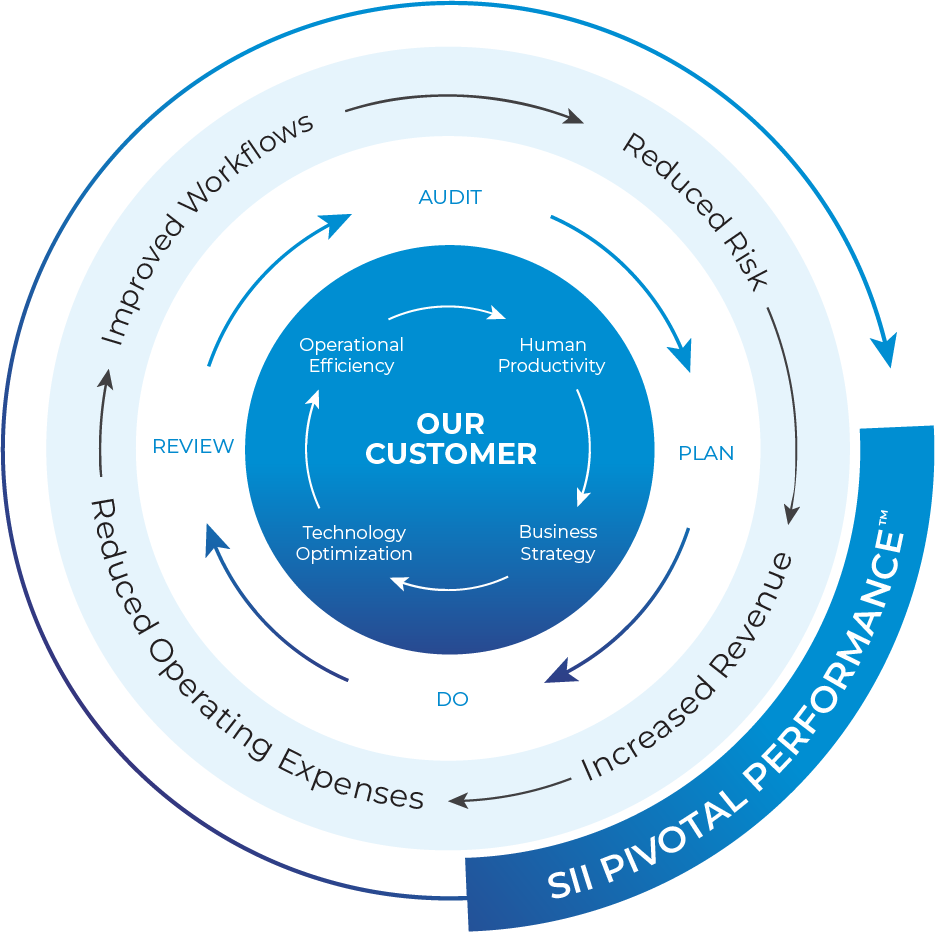
Our Managed IT Operating Model
1
Assess
We review your full IT environment with attention to the compliance dimensions specific to Cranston’s industries. For food manufacturers, we assess production records systems and traceability documentation against FDA FSMA requirements. For precision manufacturers, we evaluate production system security against cyber insurance and customer qualification requirements. For healthcare practices, we identify HIPAA technical safeguard gaps. For professional services firms, we assess Rhode Island professional conduct compliance. For commercial businesses, we assess PCI DSS cardholder data environment scope. Every Cranston client receives a plain-language findings summary before we recommend anything.
2
Strategize
We build a technology plan calibrated to each Cranston organization’s planning cycle. Food manufacturers plan around FDA inspection schedules and FSMA program reviews. Precision manufacturers plan around customer qualification timelines and equipment investment. Healthcare practices plan around patient volume and practice management decisions. Professional services firms plan around client base growth and compliance requirements. Commercial businesses plan around operational growth and technology changes. The plan is cost-transparent, specific to each organization, and accounts for Cranston’s practical market realities.
3
Stabilize
We close the highest-priority gaps first. For food manufacturers, that means implementing the access controls and backup procedures that FSMA requires for electronic production and traceability records. For precision manufacturers, it means endpoint security, validated backup, and the BEC defenses that protect high-value production payment flows. For healthcare practices, it means HIPAA technical safeguards. For professional services firms, it means client data protection and Rhode Island professional conduct compliance. For commercial businesses, it means PCI DSS network segmentation and endpoint security.
4
Protect & Manage
Ongoing monitoring, security management, help desk support, patch deployment, and vendor coordination across your environment. For food manufacturers, FSMA-relevant production records systems are monitored continuously. For healthcare practices, HIPAA compliance is maintained. For professional services firms, client data is protected without requiring the principal to manage IT. For all Cranston clients, IT problems are handled by our team so that production managers, practice administrators, firm principals, and business owners can focus on their actual work.
5
Optimize & Review
Regular reviews that give Cranston’s production managers, practice administrators, firm principals, and business owners the compliance documentation and IT performance reporting they need. Food manufacturers get FSMA compliance documentation for FDA inspection preparation. Healthcare practices get HIPAA compliance status. Professional services firms get Rhode Island professional conduct compliance evidence. Manufacturers get cyber insurance security posture reporting. Commercial businesses get PCI DSS compliance documentation. We update the technology plan as each Cranston organization grows.
Serving Organizations Across Cranston and the Greater Providence Area
SII provides managed IT services across Cranston and the surrounding Providence County communities, with structured remote management covering your environment continuously and on-site engineering available from our Wallingford, CT base — approximately 45 minutes from Cranston. We regularly work with organizations across:
- The Elmwood Avenue and Pontiac Avenue manufacturing and industrial corridors, the Garden City Center commercial area, and the Park Avenue, Reservoir Avenue, and Sockanosset Cross Road commercial districts where Cranston’s manufacturers, healthcare practices, professional services firms, retailers, and commercial businesses serve the city’s residents and the broader Providence metro market
- The established residential neighborhoods of Edgewood, Oaklawn, Meshanticut, Auburn, Knightsville, and the surrounding Cranston communities where independent medical and dental practices, law offices, financial advisors, and the commercial businesses serving Cranston’s long-tenured residential population have built multi-generational client relationships
- Providence, Johnston, Warwick, North Providence, and the surrounding Providence County communities where Cranston-based manufacturers serve commercial and industrial customers, where professional services firms serve regional clients, and where the commercial economy anchored by Cranston’s dense suburban residential base extends across the greater Providence market
Cranston’s businesses have stayed in these neighborhoods and served the same families because they do their work well and their clients trust them. The IT programs protecting that work should meet the same standard — reliable, compliant, and built for the specific obligations each organization carries, not a generic program that could serve any city in any state.
Schedule a free IT assessment and find out what a properly structured managed IT program looks like for your Cranston organization.
FAQs
We're a food manufacturer or food processor in Cranston. What IT requirements does the FDA Food Safety Modernization Act create?
The FDA Food Safety Modernization Act — particularly the Preventive Controls for Human Food rule under 21 CFR Part 117 — creates specific IT requirements for food manufacturers that most small and mid-size processors haven’t fully mapped to their IT systems. The three most IT-relevant requirements are record keeping, traceability, and access controls. Record keeping: facilities must maintain written records of their food safety plans, hazard analyses, preventive controls, monitoring records, corrective action records, and supply chain verification activities. These records must be available for FDA inspection, which means they must be stored in systems that are reliably available, not just on a single machine or a network drive without backup. Traceability: under the FSMA Food Traceability Rule (21 CFR Part 1, Subpart S), certain foods require lot-level traceability records linking each lot of product through production and shipping. For a Cranston food manufacturer, this means the ERP or production management system must capture and retain lot data in a format that can be pulled and provided to FDA within 24 hours of a request. Access controls: FDA can and does review who has access to production records and food safety documentation during inspections — if records are accessible to unauthorized personnel or have no access logging, that creates a finding. A validated backup with tested recovery is also an operational necessity for FSMA compliance, because a food manufacturer that can’t produce production records during an FDA inspection because the systems were encrypted by ransomware faces consequences that go well beyond a data security incident. We assess Cranston’s food manufacturers against FSMA IT requirements and build the systems that support compliance continuously.
We're a precision manufacturer or specialty fabricator in Cranston. Our customers are starting to ask about our cybersecurity practices. What do we need?
Customers asking about cybersecurity practices is the most reliable early signal that your IT needs to be formalized, and it typically arrives through one of three channels: a vendor qualification questionnaire, a contractual security clause in a new contract, or an explicit requirement tied to a new customer relationship or certification. Vendor qualification questionnaires typically ask a standard set of questions: do you have endpoint protection on all business devices, do you use multi-factor authentication on remote access and email, do you have a tested backup and recovery process, do you have a written information security policy, and do you have cybersecurity insurance. Contractual security clauses may require notification of security incidents within specific timeframes and reference minimum security standards. Certification programs like ISO 9001 quality management don’t directly require specific cybersecurity controls, but the quality management system documentation requirements overlap with the access control and audit logging practices that security programs implement. Beyond customer requirements, your cyber insurance renewal is increasingly tied to the same controls your customers are asking about — insurers are now routinely requiring MFA on email, endpoint protection, and verified backup as conditions of coverage. The good news is that the controls your customers and insurers are asking about are largely the same set: endpoint protection, MFA, monitored backup with tested recovery, and documented security policies. We assess Cranston’s manufacturers against what their specific customer relationships and insurance arrangements require and build programs that satisfy both.
We're a law firm or professional services practice in Cranston serving clients whose families have been with us for decades. What data security obligations apply?
Rhode Island attorneys carry data security obligations under the Rhode Island Rules of Professional Conduct, specifically Rule 1.6, which requires reasonable measures to prevent unauthorized access to or disclosure of client information. For a Cranston community law practice serving established families — handling wills, trusts, real estate closings, family law matters, and estate administrations — the sensitivity of accumulated client data goes beyond individual matter records. Over decades of representation, a community firm accumulates comprehensive records of family financial situations, property ownership, family relationships, estate planning decisions, and personal circumstances that clients shared in confidence across multiple generations. The practical IT requirements for protecting this accumulated client data center on three areas: access controls ensuring that client files are accessible only to staff with a current, active need on the specific matter; email security protecting attorney-client communications from business email compromise; and tested backup that allows recovery of client records if the systems are compromised. Rhode Island’s Identity Theft Protection Act (RIGL § 11-49.3) also applies to law firms handling personal information about clients. Financial advisory practices serving the same multigenerational client families carry SEC cybersecurity rules for registered advisers alongside Rhode Island Division of Securities requirements and the fiduciary data protection obligations that come with managing wealth across family generations. We build IT programs for Cranston’s professional services community that protect decades of accumulated client trust.
Our medical or dental practice serves Cranston patients who've been coming to us for years. What are the HIPAA IT requirements we most commonly see practices miss?
For independent suburban practices serving established patient populations, the three HIPAA technical safeguard requirements that come up most often in breach investigations and OCR reviews are access controls, mobile device security, and backup and recovery. Access controls: HIPAA’s minimum necessary standard requires that each staff member’s system access be limited to the patient records their role requires — a front desk scheduler shouldn’t have access to clinical notes, and a billing specialist shouldn’t have access to records for patients they don’t bill for. Most EHR systems can be configured to enforce role-based access, but many independent practices leave the default settings in place, which typically allow broader access than HIPAA’s minimum necessary standard requires. Mobile device security: virtually every practice now has clinicians accessing EHR systems from smartphones or tablets, which creates a HIPAA obligation to enroll those devices in a mobile device management system that enforces encryption and can remotely wipe the device if it’s lost or stolen. A clinician’s personal iPhone that has the practice EHR app installed and no MDM enrollment is a HIPAA gap. Backup and recovery: ransomware attacks on medical practices are common, and the practices that experience the worst outcomes are those without validated backup — meaning backup that has been tested with an actual recovery exercise, not just verified that files are copying. A practice that loses its EHR to ransomware and cannot recover patient records faces both a HIPAA breach notification obligation and a potential OCR investigation into why the backup failed. We help Cranston’s practices close these specific gaps.
Does SII serve North Providence, Johnston, and the surrounding communities near Cranston?
Yes. Many Cranston-based organizations serve clients, employ staff, or maintain satellite operations in North Providence, Johnston, Providence, Warwick, and the surrounding Providence County communities. We manage those environments as a unified IT program with consistent security policies, centralized monitoring, and the same support quality regardless of location. For food manufacturers with production facilities in multiple locations, FSMA-relevant IT governance applies consistently across all production sites. For precision manufacturers whose customers require on-site access for audits or quality visits, consistent IT security practices across all facilities matter for vendor qualification purposes. For professional services firms serving clients across the greater Providence area, remote access security from client offices and home offices is as important as the primary Cranston location. We cover the full geographic footprint each Cranston-area client requires.
Cranston’s Businesses Have Served These Neighborhoods for Generations. Their IT Should Be Ready for the Next One.
Get a free IT assessment for your Cranston organization. We’ll evaluate your environment against the FDA FSMA, HIPAA, Rhode Island professional conduct, PCI DSS, or cyber insurance requirements your specific work carries — and build an IT program that protects what your organization has taken decades to build.